
February 25, 2026
How to Manage Logistics During a Large-Scale Move
Planning a large-scale move requires meticulous organization, detailed strategy, and precise execution. Relocating a significant volume of items, whether for a business, warehouse, or multi-location operation, presents numerous challenges, including inventory management, transportation coordination, staffing, safety, and scheduling. Without careful planning, mistakes can result in delays, damaged goods, financial loss, or operational downtime. A well-structured approach ensures that all aspects of the move are addressed, resources are allocated effectively, and the process is executed smoothly from start to finish.
The first critical step is conducting a comprehensive inventory of all items to be moved. Each item should be documented with details about its size, weight, fragility, and value. Categorizing items based on priority and handling requirements allows managers to allocate resources appropriately and prioritize critical or high-value goods. Additionally, identifying items that require disassembly, custom packing, or professional handling minimizes the risk of damage during transport. This detailed assessment creates a roadmap for the move, ensuring that every aspect is planned and potential challenges are anticipated.
Risk assessment is essential in a large-scale move because it identifies hazards that could compromise safety or efficiency. Heavy equipment, fragile inventory, high shelving, perishable goods, and restricted access areas all pose specific risks that need to be addressed. Implementing safety measures such as proper lifting techniques, personal protective equipment, and secure handling of hazardous materials protects both staff and items. Environmental factors, including temperature and humidity, must be considered for sensitive products. Preparing contingency plans for unexpected events like vehicle breakdowns, traffic delays, or inclement weather ensures that operations remain smooth and disruptions are minimized.
Developing a detailed timeline and logistics plan is another key component of a successful move. Large-scale relocations involve multiple teams, vehicles, and stages, so mapping out each step from packing and labeling to transportation and unloading is vital. Assigning clear responsibilities for each team member ensures accountability and facilitates coordination. Establishing milestones, deadlines, and checkpoints allows for real-time adjustments if challenges arise. Coordination with internal staff, external vendors, and moving companies ensures that everyone is aligned, reducing confusion and minimizing the risk of errors during the relocation process.
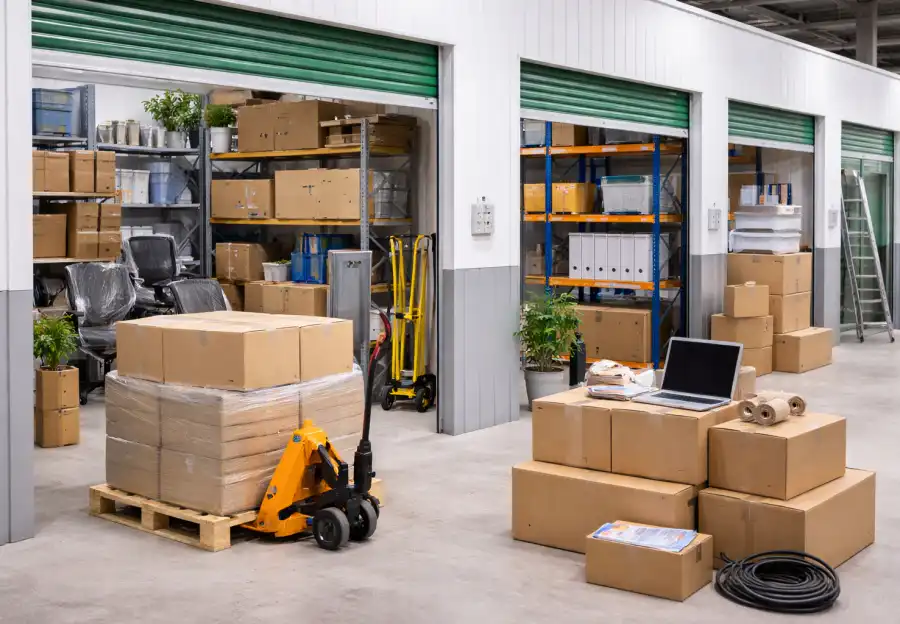
Transportation planning is critical to maintaining efficiency and safety during a large-scale move. The right type and number of vehicles must be selected, with optimized routes and careful scheduling to prevent congestion or delays. Ensuring access to loading docks, elevators, parking areas, and ramps at both the origin and destination facilitates smooth movement of items. Monitoring vehicle conditions, weight limits, and load distribution safeguards both cargo and personnel. Strategic planning of multiple trips and coordination between vehicles further enhances efficiency, particularly when moving high volumes of goods over long distances.
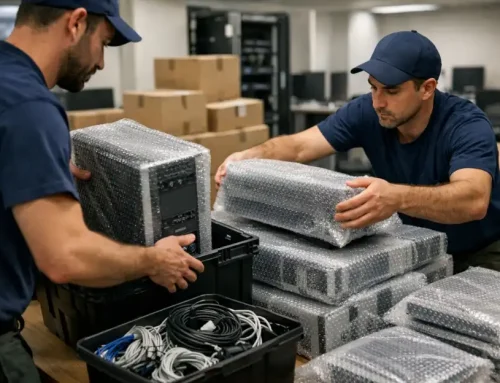
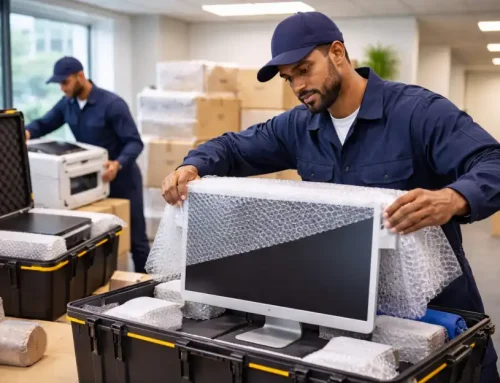
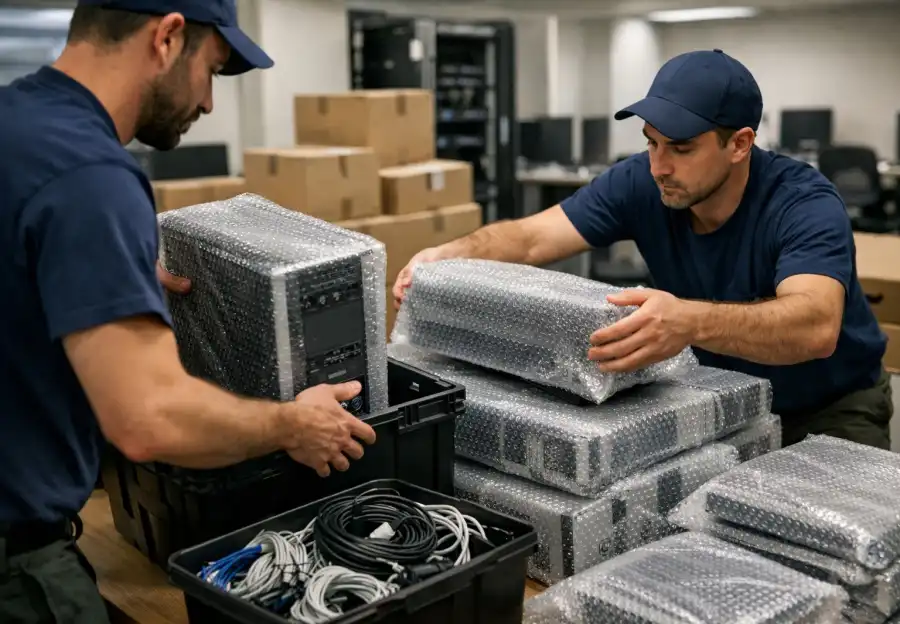
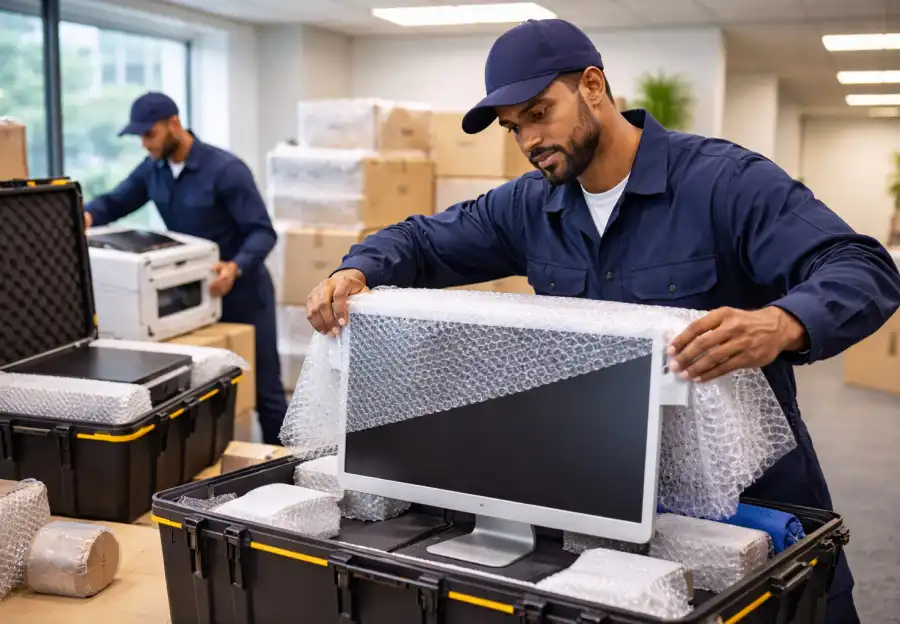
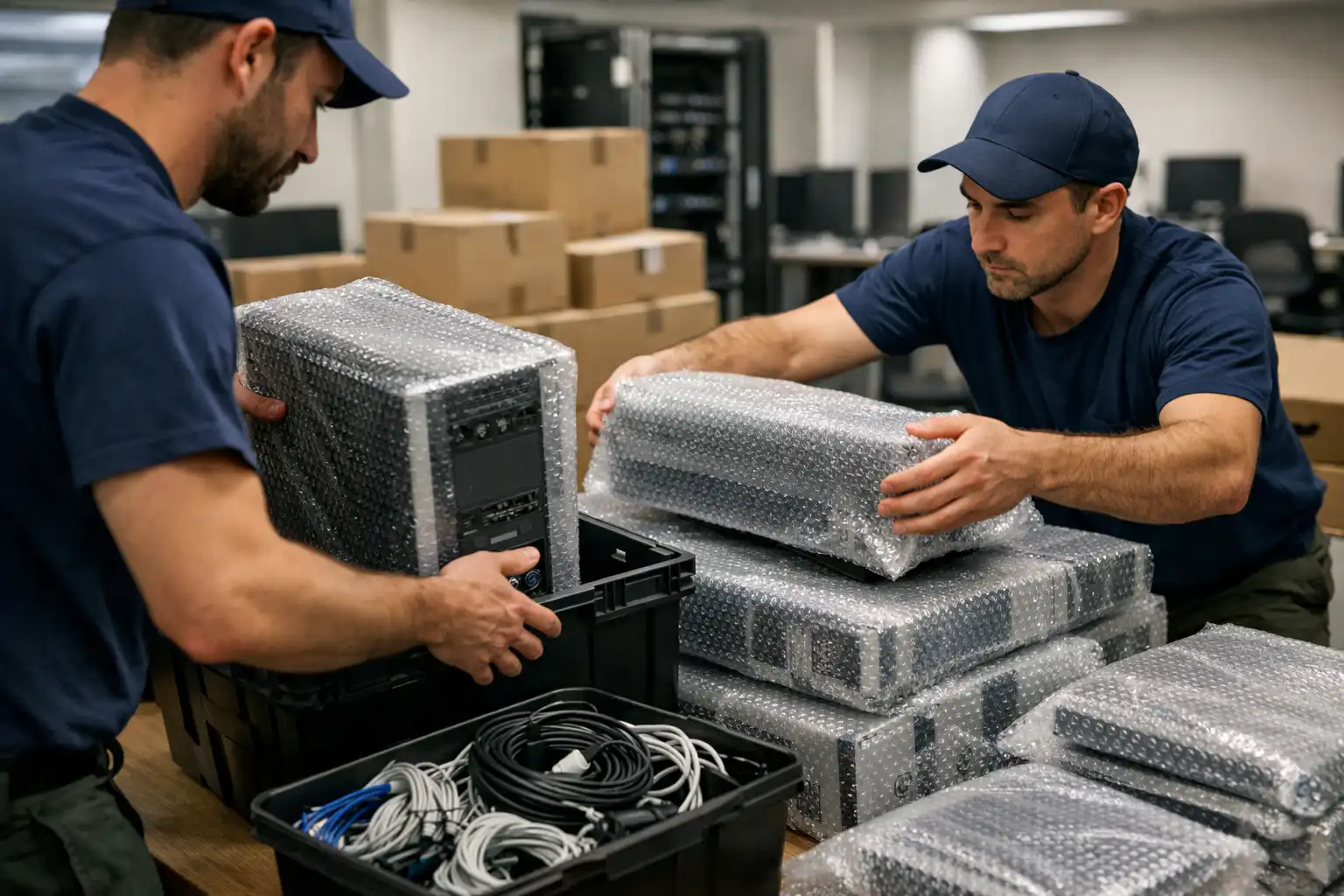
Proper packing and handling of items significantly impact the success of a move. Heavy, fragile, or irregularly shaped objects are vulnerable to damage during transit, making high-quality materials essential. Boxes, crates, pallets, shrink wrap, padding, and protective covers help safeguard items. Each package should be clearly labeled with contents, handling instructions, and priority levels. Implementing color-coded or numbered systems simplifies inventory tracking and ensures accurate placement at the new location, even in highly complex moves. This attention to packing detail reduces the risk of breakage and facilitates faster setup upon arrival.
Staffing and team coordination are vital elements in large-scale relocations. Multiple individuals performing different tasks simultaneously require clear roles, communication, and leadership. Assigning team leads, inventory managers, and coordinators ensures accountability, while regular briefings keep staff informed of progress, changes, and potential challenges. Proper training in equipment use, safety protocols, and emergency procedures reduces the risk of injury and allows staff to work efficiently and confidently. Effective team management ensures that tasks are completed on schedule and standards are consistently maintained.
Technology integration is another critical factor in managing a complex move. Inventory tracking systems, barcode scanners, RFID tags, and digital checklists provide real-time visibility of items, locations, and progress. This reduces human error, streamlines reporting, and ensures that all items are accounted for. IT systems, computers, and sensitive electronics require special attention during transport to prevent downtime or data loss. Engaging technical staff to oversee the handling and reinstallation of electronic equipment ensures operational continuity and prevents disruptions to business activities.
Post-move assessment and evaluation are essential for continuous improvement. Analyzing what worked well, identifying challenges, and collecting feedback from staff, vendors, and movers provides insights for future relocations. Recognizing and rewarding employee efforts boosts morale, reinforces collaboration, and encourages adherence to best practices. Evaluating the move allows organizations to refine processes, improve efficiency, and strengthen protocols for subsequent relocations.
By combining comprehensive assessment, risk evaluation, detailed planning, precise transportation and packing strategies, coordinated staffing, effective communication, technology integration, and post-move evaluation, organizations can successfully manage a large-scale move with minimal disruption. This structured approach protects assets, ensures safety, maintains operational continuity, and provides a seamless transition from one location to another. Thorough planning, meticulous execution, and strategic oversight are essential to handling the complexity, volume, and scope of large-scale relocations, demonstrating that proactive management and organization are key to achieving a smooth and successful move.