The Role of Charitable Partnerships in the Coffey Bros Moving Story
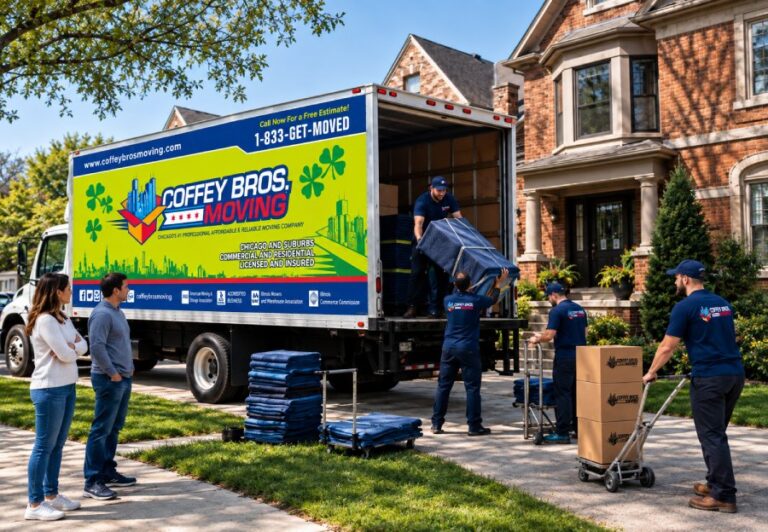
Every successful company has a story behind it. In many cases, that story revolves around growth, entrepreneurship, and customer service. For Coffey Bros Moving, those elements are certainly part of the narrative, but they do not tell the whole story. Over the years, the Chicago-based moving company has also developed a reputation for supporting local charitable organizations, building relationships that reflect a broader vision of what a successful business can contribute to the communities it serves.
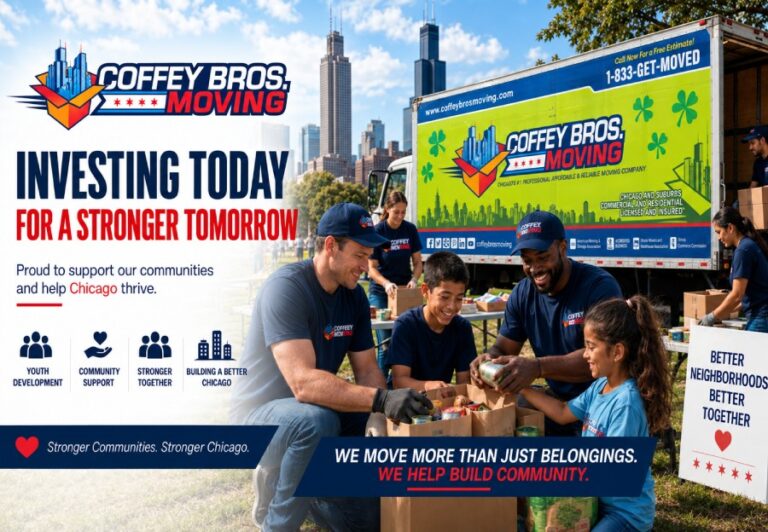
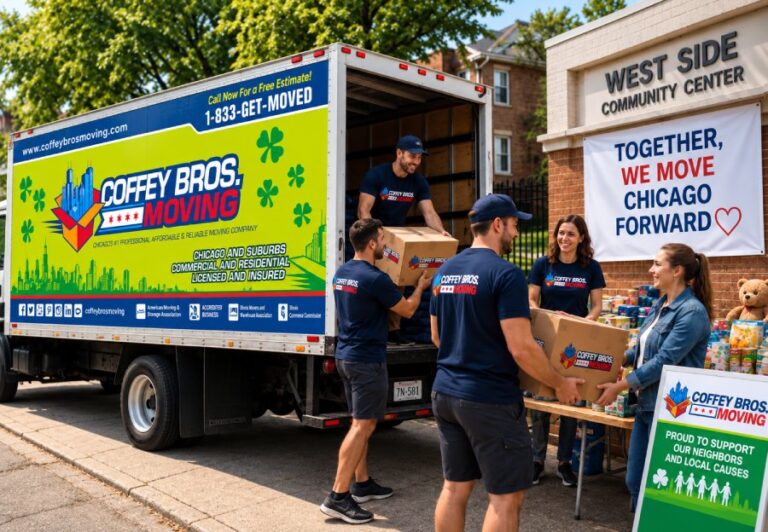
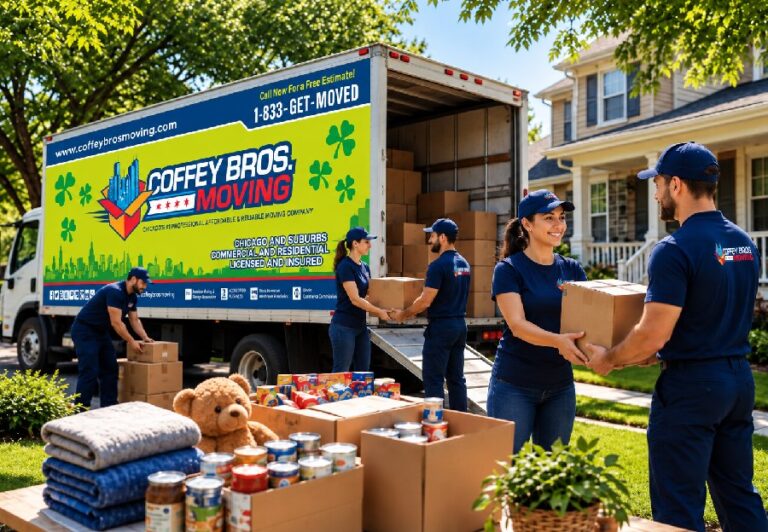
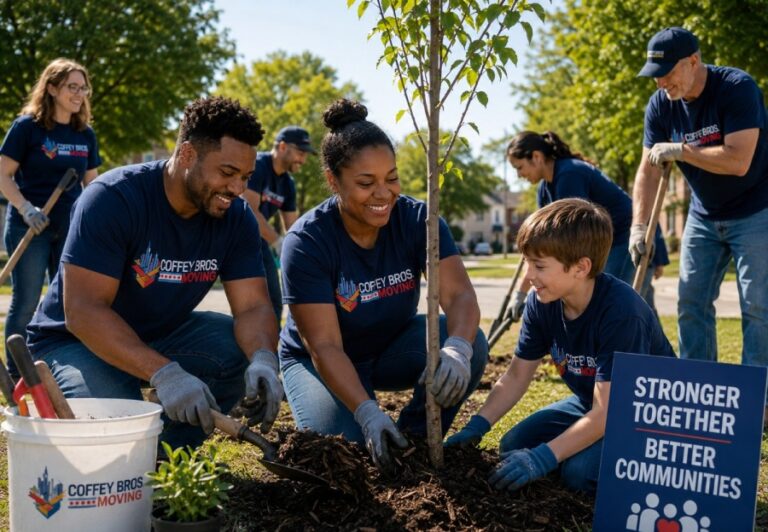
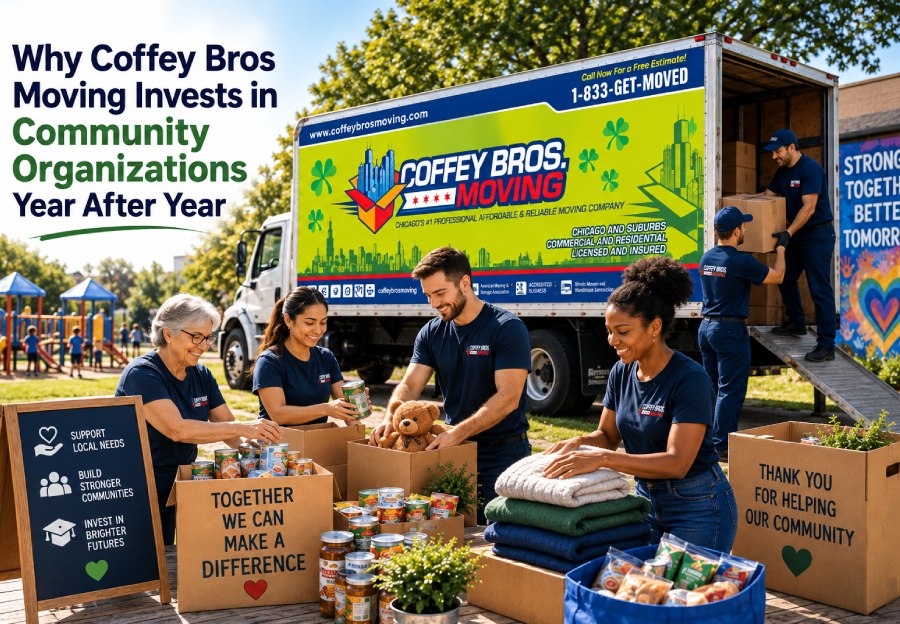
Charitable partnerships have become an important chapter in the company’s history. They represent more than occasional donations or community appearances. Instead, they reflect an ongoing commitment to supporting organizations whose missions align with the values that have guided Coffey Bros Moving since its founding. Through these partnerships, the company has sought to contribute to causes that strengthen neighborhoods, create opportunities for young people, and improve quality of life throughout the Chicago area.
According to owner Ken Coffey, the company’s involvement with local nonprofits grew naturally from its connection to the city.
“When you spend decades serving families and businesses across Chicago, you develop a strong appreciation for the organizations that help make those communities stronger,” Coffey says. “Our charitable partnerships are really about supporting people who are doing important work every day to improve the city.”
That perspective reflects an understanding of how deeply interconnected businesses and nonprofit organizations can be. While companies often contribute financial resources, nonprofit organizations frequently provide services and programs that help communities remain healthy and vibrant. According to the National Council of Nonprofits, charitable organizations collectively employ more than 12 million people across the United States and play a critical role in addressing educational, social, environmental, and economic challenges.
For Coffey Bros Moving, the most meaningful partnerships are those that create lasting impact rather than temporary visibility. The company has supported organizations focused on youth development, leadership training, sustainability, and community engagement. These causes were selected not because they generate attention, but because they address issues that have long-term implications for the future of Chicago neighborhoods.
One example is the company’s support of organizations that invest in young people. Youth leadership and mentoring programs often provide opportunities that can shape a person’s future trajectory. Research conducted by MENTOR found that young adults who had mentors during their formative years were more likely to pursue leadership positions and volunteer within their communities. Those outcomes contribute to stronger civic engagement and more resilient neighborhoods over time.
“When you’re helping young people gain confidence and develop leadership skills, you’re investing in the future of the city,” Coffey explains. “Those programs create opportunities that can influence families and communities for years to come.”
The impact of charitable partnerships extends beyond the organizations receiving support. They also shape company culture. Employees increasingly want to work for businesses that demonstrate a commitment to social responsibility and community involvement. Meaningful partnerships can help create a stronger sense of purpose throughout an organization because employees understand that their work contributes to broader community goals.
A survey conducted by PwC found that employees are more likely to feel engaged and connected to organizations that actively contribute to social and community causes. When people believe their employer stands for something beyond profit, workplace morale and loyalty often improve as a result.
For Coffey Bros Moving, those benefits are secondary to the larger mission, but they remain meaningful.
“Our employees take pride in knowing that the company supports organizations making a difference,” Coffey says. “It reinforces the values we want to represent both inside and outside the workplace.”
Another reason charitable partnerships have become an important part of the company’s story is their ability to create collaboration. Strong partnerships often bring together nonprofit leaders, volunteers, local residents, and businesses that share a common objective. These relationships can amplify the impact of individual efforts and create solutions that no single organization could achieve alone.
Research from the Stanford Social Innovation Review has highlighted how cross-sector partnerships frequently generate stronger outcomes by combining resources, expertise, and community connections. Businesses contribute operational knowledge and funding, while nonprofits contribute specialized expertise and deep understanding of local needs. Together, they can address challenges more effectively than either group could independently.
For Coffey, that collaborative spirit is one of the most rewarding aspects of community involvement.
“The best partnerships are built around shared goals,” he says. “Everyone brings something different to the table, but everyone is working toward the same outcome. That’s where meaningful progress happens.”
Looking back, charitable partnerships have become woven into the identity of Coffey Bros Moving. They have helped define what success means for the company and how it measures its impact beyond completed moves and satisfied customers. While the business continues to help families and companies transition to new opportunities, its relationships with local nonprofit organizations demonstrate a broader commitment to the city it calls home.
The story of Coffey Bros Moving is ultimately about more than transportation and logistics. It is also about partnership, responsibility, and community. Through charitable collaborations that support meaningful causes throughout Chicago, the company continues to show that business success and community success are often part of the same story.